The Big Clock
Based on Kenneth Fearing’s 1946 novel of the same name, The Big Clock was released in 1948, and Hollywood took a second swing at it with No Way Out in 1987. As I write this in 2026, another 39 years have passed and we’re due for a third iteration, which has me thinking. I was 11 when No Way Out came out, and though I hadn’t seen it before now, and it’s dated in many ways, its world doesn’t seem wildly different to me from the one we live in now. The Big Clock, on the other hand, feels ancient. If some new version of the story were made this year, and someone pushing 50 watched it in 2065, would the same dynamic hold? Would the 2026 version be recognizable to them and the 1987 version a total relic? Is it inevitable that we feel so removed from a time well before we were born, or is that feeling of remove relative to the specific timeframe’s rate of change around politics, fashion, technology, social mores, etc? And in the case of film, how much influence do the trappings of the craft have? The Big Clock’s grayscale soundstages, costumes, and dialogue, polished and sexless, feel much more artificial than No Way Out’s horny, full-color quasi-naturalism. Was 1948 so different from 1987, or was it just the way we made movies that was different?
Two posts in this series
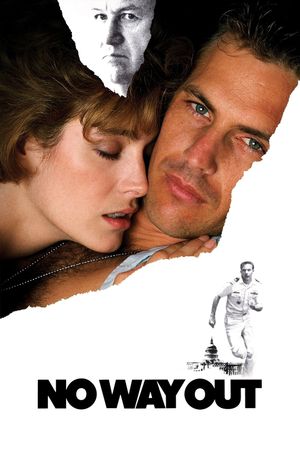
No Way Out
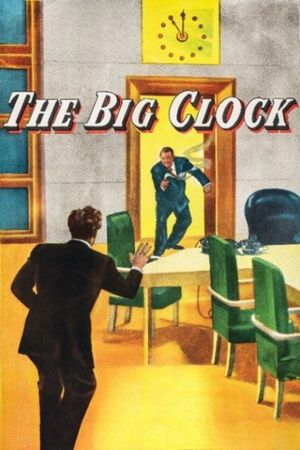
The Big Clock
Based on Kenneth Fearing’s 1946 novel of the same name, The Big Clock was released in 1948, and Hollywood took a second swing at it with No Way Out in 1987. As I write this in 2026, another 39 years have passed and we’re due for a third iteration, which has me thinking. I was 11 when No Way Out came out, and though I hadn’t seen it before now, and it’s dated in many… See more →